Bruxelles, Bruges, Namur : découvrez la Belgique en circuit privé avec chauffeur
Plongez dans un voyage exceptionnel au cœur de la Belgique, un pays aux multiples facettes où l’histoire et la modernité se mêlent à merveille. Que vous soyez amoureux des arts, passionnés de culture ou simplement en quête d’une excursion captivante, la Belgique saura vous charmer. Imaginez un circuit privé, avec un chauffeur expérimenté, pour vous guider à travers les villes emblématiques de Bruxelles, Bruges et Namur. Il est temps de découvrir l’Europe autrement, avec un service de visites sur mesure qui ne manquera pas de captiver votre curiosité. Ce parcours en groupe restreint offre le luxe d’une visite privée, permettant d’explorer à votre rythme les trésors cachés de ce pays enchanteur.
Bruxelles : Le Cœur Palpitant de l’Europe
Bruxelles, capitale emblématique de la Belgique, se révèle être bien plus qu’une simple escale politique. Cette ville dynamique incarne un parfait mélange de tradition et de modernité. En optant pour un circuit privé, vous bénéficierez de l’expertise d’un guide local qui saura enrichir votre visite avec des anecdotes captivantes.
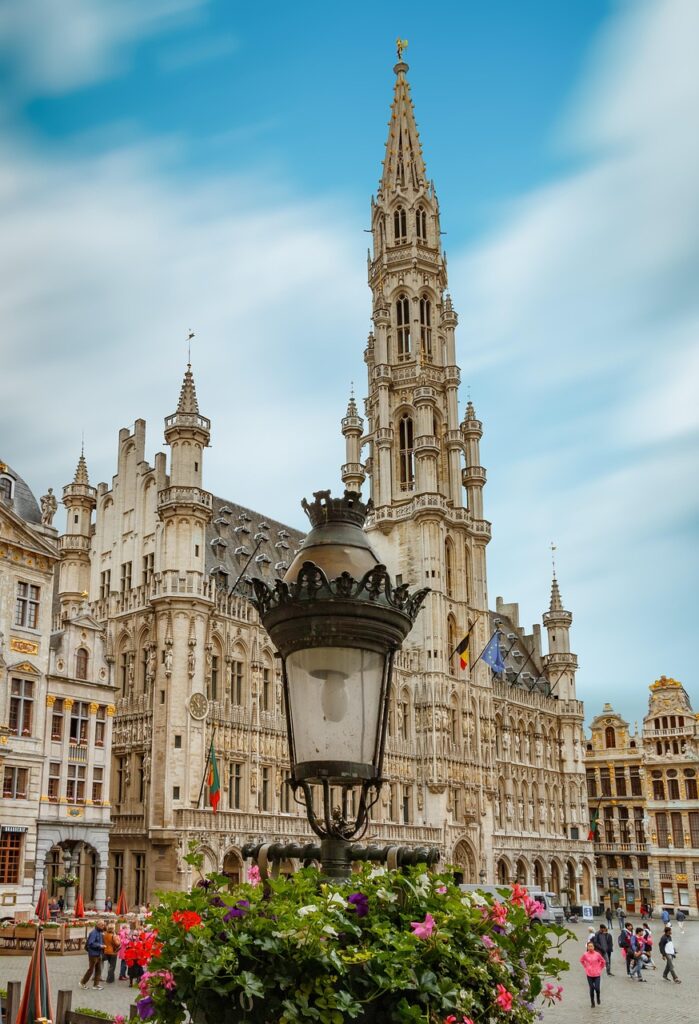
Les Incontournables de Bruxelles
Démarrez votre journée par la célèbre Grand-Place, une des plus belles places du monde, inscrite au patrimoine mondial de l’UNESCO. Autour de vous se dressent d’imposantes maisons de corporations, chacune racontant l’histoire de la ville.
Continuez votre exploration par une balade dans les ruelles pavées des Galeries Royales Saint-Hubert, un passage couvert datant du XIXe siècle, abritant des boutiques de luxe et de charmants cafés.
Ne manquez pas le Manneken-Pis, icône de Bruxelles, qui attire chaque année des milliers de visiteurs curieux de découvrir cette petite statue fascinante.
Découverte Culturelle
Pour les amateurs d’art, le Musée Magritte est une étape incontournable. Entrez dans l’univers surréaliste du célèbre peintre belge et laissez-vous transporter par ses œuvres.
Enfin, les actualités culturelles ne manquent jamais à Bruxelles. Que ce soit pour des expositions temporaires, des concerts ou des événements de rue, la ville est un vivier d’activités culturelles qui sauront captiver votre intérêt.
Namur : À la Croisée de l’Histoire et de la Nature
Nichée au cœur de la Wallonie, Namur est une ville qui allie à la perfection histoire et nature. Avec votre chauffeur privé, partez à l’assaut de la citadelle impressionnante qui surplombe la ville.
Un Passé Militaire
Construite sur un éperon rocheux, la citadelle de Namur est un témoignage vivant du passé militaire de la région. Elle offre des vues panoramiques à couper le souffle sur les alentours. Prenez le temps d’explorer ses remparts, accompagnés d’un guide qui vous plongera dans les récits de batailles passées.
Évasion Nature
Pour les amoureux de la nature, les abords de la rivière Meuse offrent de magnifiques promenades. Embarquez pour une croisière, ou profitez simplement de l’air frais lors d’une excursion à pied ou à vélo.
Namur, c’est le charme d’une ville qui sait allier le dynamisme de ses activités au calme de ses espaces naturels.
Bruges : Une Escapade Romantique
Bruges, souvent surnommée la « Venise du Nord », est une étape essentielle de votre voyage en Belgique. Cette ville médiévale enchante par son réseau de canaux, ses rues pavées et son atmosphère intemporelle. Avec un chauffeur personnel à vos côtés, vous découvrirez les recoins les plus charmants de cette cité historique.
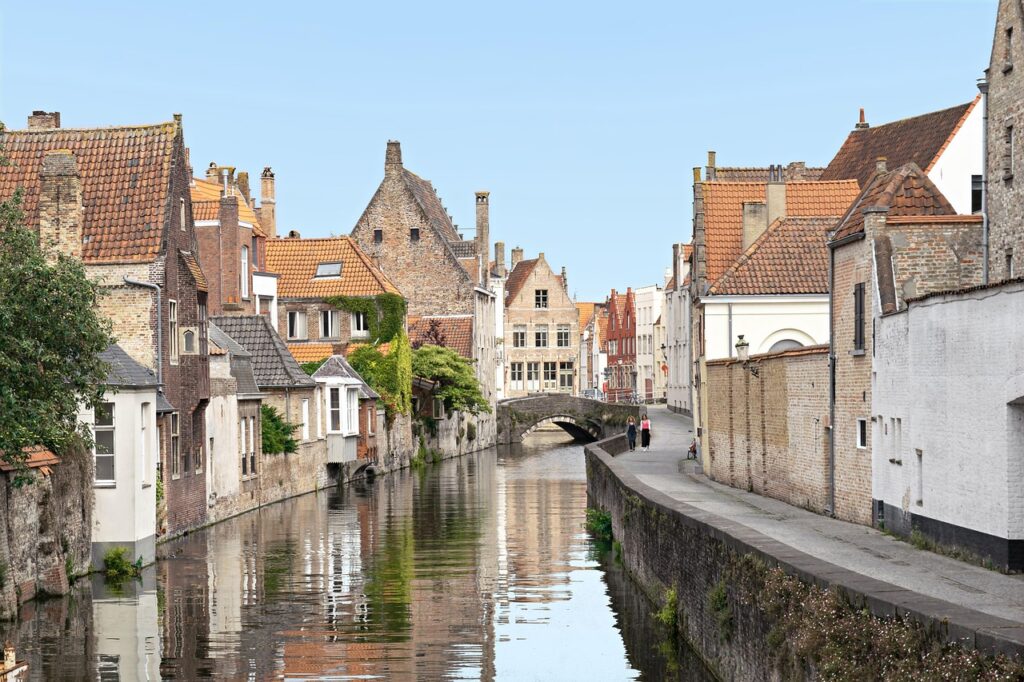
Une Promenade au Fil de l’Eau
Naviguer sur les canaux de Bruges est une expérience unique. Votre guide vous fera découvrir la ville sous un angle différent, en vous révélant les secrets cachés derrière ses façades anciennes.
Patrimoine et Histoire
Promenez-vous le long du Béguinage, un ensemble de maisons blanchies à la chaux datant du XIIIe siècle, symbole de l’architecture flamande. Le beffroi, surplombant la place du marché, offre une vue panoramique imprenable sur toute la ville.
Gastronomie et Douceurs
Bruges est également réputée pour ses spécialités culinaires. Ne partez pas sans avoir dégusté les célèbres chocolats belges et les gaufres artisanales. De nombreux hôtels proposent des expériences gastronomiques uniques, parfaites pour une soirée conviviale. Bruges, c’est la promesse d’un voyage sensoriel, où chaque coin de rue vous invite à la découverte et à la rêverie.
Voyager en Confort : L’Art du Circuit Privé
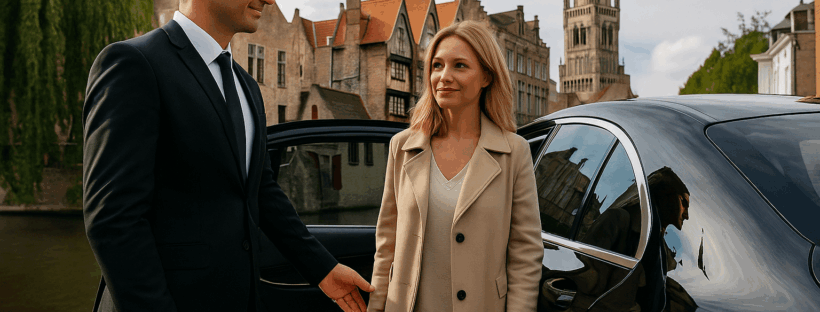
L’un des principaux attraits d’un circuit privé en Belgique est la flexibilité et le confort qu’il procure. Un chauffeur expérimenté se charge de tous vos trajets, vous permettant de vous concentrer pleinement sur la découverte et l’exploration.
La Personnalisation de Votre Voyage
Chaque voyageur a des besoins et des intérêts différents. Avec un circuit personnalisé, vous avez la possibilité de choisir les excursions, les visites et les activités qui vous conviennent le mieux. Que vous soyez passionnés d’histoire, de gastronomie ou de culture, votre itinéraire sera conçu pour répondre à vos attentes.
Des Services Haut de Gamme
Un circuit privé offre également la possibilité de séjourner dans les meilleurs hôtels du pays, vous assurant un confort de tous les instants. Les guides sont des experts locaux qui partagent avec vous leur passion pour leur culture et leur patrimoine.
Une Expérience Unique
Avec un circuit privé, vous bénéficiez d’une liberté totale, loin des contraintes des voyages de groupe traditionnels. Chaque étape est une découverte unique, où vous êtes acteur de votre propre voyage.
Privilégier un circuit privé avec chauffeur, c’est s’offrir la possibilité de vivre une aventure taillée sur mesure, riche en découvertes et en rencontres. Profiter de cette occasion en choisissant les services proposés par Minibusbelgique.be qui est un leader du service de location de minibus en Belgique et que saura répondra à l’ensemble de vos demandes.
En choisissant de découvrir la Belgique au travers d’un circuit privé, vous vous offrez bien plus qu’un simple voyage. C’est une véritable immersion dans l’âme d’un pays riche en culture, en histoire et en paysages à couper le souffle.
Grâce à un chauffeur et à un guide dévoué, vous bénéficierez d’un service personnalisé qui rendra chaque moment de votre séjour unique et mémorable.
Bruxelles, Bruges et Namur ne sont que le début de l’aventure. Laissez-vous surprendre par la diversité des visites, la richesse des circuits et la beauté des excursions qui vous attendent.